


A Buyer’s Guide to Building New in Nashville Around an Unpredictable, Always-On Career
Nashville has quietly become one of the country’s largest healthcare hubs — anchored by Vanderbilt University Medical Center, HCA Healthcare’s global headquarters, and a dense cluster of hospital systems, physician groups, and health-tech companies that has turned “healthcare worker” into one of the most common buyer profiles in the city’s new-construction market. But the job doesn’t leave room for the home search to be an afterthought. On-call rotations, overnight pages, early rounds, and back-to-back shifts mean commute time and at-home recovery space aren’t lifestyle preferences for this buyer — they’re operational requirements.
New construction gives healthcare buyers something resale inventory usually can’t: the ability to design privacy, quiet, and commute reliability directly into the home instead of retrofitting it afterward. A private home office positioned away from household noise, a primary suite that separates rest from daily traffic, a lot chosen for a commute that’s actually been tested — these are dramatically easier to plan on paper than to add after the fact.
Whether you’re a physician, hospital administrator, nurse leader, or healthcare executive, the same short list of decisions tends to determine whether a new build actually supports the career — or quietly works against it.
At Kyne Property Group we help healthcare professionals across Nashville find lots, builders, and neighborhoods that put commute reliability and genuine at-home privacy first.
Quick Comparison: What We See Mattering Most by Role
| Priority | Physicians & Surgeons | Hospital & Health System Executives | Nurse Leaders & Clinical Staff |
| Key Commute Anchor | Hospital or surgical center, often on-call | HCA HQ, Vanderbilt Medical Center, admin campuses | Assigned hospital or health system facility |
| Biggest Time Pressure | Overnight and early-morning calls | Meetings spanning multiple facilities | Rotating and overnight shift schedules |
| Privacy Priority | Uninterrupted sleep, quiet recovery space | Separation between work and home life | A home that supports irregular sleep patterns |
| Preferred Build Feature | Primary suite isolated from household noise | Private, soundproof home office | Blackout-ready bedroom, flexible layout |
| Neighborhood Fit | Close-in west/southwest Nashville corridor | Belle Meade, Green Hills, close Williamson Co. | Broader radius, commute-time driven |
Why Commute Time Isn’t Just Convenience — It’s the Job
Building Around Unpredictable Hours
For most healthcare buyers, commute time isn’t measured in miles — it’s measured in minutes that matter when a page comes in at 2 a.m. or a shift starts before sunrise. That reality consistently points buyers toward Nashville’s close-in west and southwest corridor — Belle Meade, Green Hills, Forest Hills, and the inner edge of Williamson County — where a straightforward, traffic-resistant route to Vanderbilt Medical Center, HCA’s campus, or a major hospital system keeps commute time predictable rather than aspirational.
It’s worth testing a prospective commute at the actual hours you’d drive it — a shift change, an early round, a weekend on-call run — rather than relying on a midday estimate. The difference between a “close” neighborhood and a genuinely reliable one often only shows up at 5 a.m.

What to Build In
- A lot location tested at real shift-change and on-call hours, not just midday drive times
- A garage or entry configured for quick, quiet departures without waking the household
- Backup routes considered at the lot-selection stage, before construction begins
- Proximity to the specific facility or campus you’re actually assigned to, not just “Nashville” generally
Best For: Buyers whose schedule is genuinely unpredictable and who can’t afford commute time to become a variable
A Home Office That Actually Works for Telehealth and After-Hours Calls
As more healthcare roles — from private practice physicians to health system administrators — include a telehealth or remote-consultation component, a dedicated home office has moved from a nice-to-have to close to a standard request. The difference between an open nook and a real office shows up the first time a sensitive call happens while the rest of the household is home.
Getting this right in new construction means planning acoustic separation and connectivity redundancy into the framing and wiring stage, not adding a door to an existing room later.

What to Build In
- A private office with a real door, positioned away from high-traffic areas of the home
- Acoustic isolation adequate for confidential telehealth or administrative calls
- Redundant, high-reliability internet — a second connection or failover, not just a strong single line
- Dedicated electrical and data wiring planned before drywall, not patched in afterward
Best For: Physicians, administrators, and clinical leaders whose work regularly follows them home
Designing a Home That Recovers, Not Just Impresses
The Primary Suite as a Recovery Space
Healthcare careers carry a specific kind of fatigue that a beautifully finished home doesn’t automatically solve. Increasingly, healthcare buyers are asking builders to treat the primary suite less like a showpiece and more like a recovery space — positioned away from the main living areas, insulated from household noise, and capable of supporting genuinely restful hours on an irregular schedule.
For shift workers in particular, a bedroom that can go fully dark regardless of the hour, and stays quiet regardless of what the rest of the household is doing, matters more than square footage or finish level.

What to Build In
- Primary suite placement separated from kitchen, living, and household traffic patterns
- Sound insulation adequate for daytime sleep after an overnight shift
- Blackout-capable window treatments planned at the design stage, not added later
- Zoned HVAC so the primary suite can run independently of the rest of the home
Best For: Shift workers, on-call physicians, and anyone whose sleep schedule doesn’t match a typical household’s
Low-Friction Living for High-Decision-Fatigue Careers
Healthcare roles — clinical and administrative alike — involve a volume of daily decisions that leaves little bandwidth left over for home maintenance and upkeep decisions. Buyers in this category increasingly prioritize low-maintenance outdoor space, durable and easy-care finishes, and a general layout that minimizes daily friction over homes built primarily to entertain or impress.
What to Build In
- Low-maintenance landscaping and outdoor living space
- Durable, easy-care interior finishes over high-maintenance statement materials
- A mudroom or transition space that creates a clear line between “on shift” and “home”
- Storage and layout choices that reduce daily decision load — not just visual clutter
Best For: Buyers whose career already demands constant decision-making and who want their home to ask less of them, not more
Privacy for a Career Built on Being Reachable
A Boundary Between Work and Home
Healthcare executives and senior physicians in particular often carry a level of professional visibility — within a hospital system, a medical community, or a region — that makes at-home privacy a genuine priority rather than a luxury preference. This is less about screening from the public and more about protecting the small amount of time that isn’t already claimed by the job.
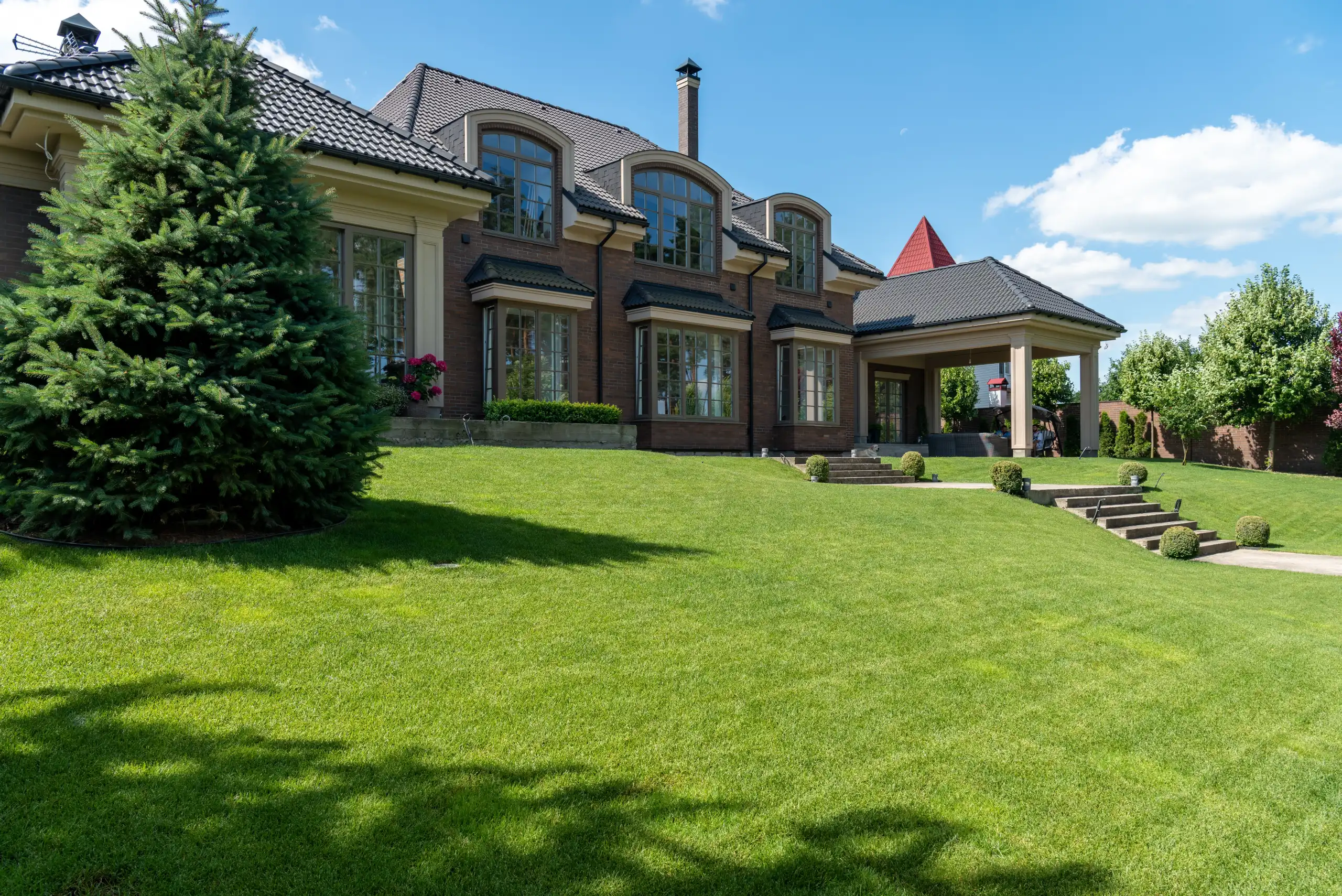
Set-back lots, mature or newly planted screening landscaping, and a driveway and entry that don’t put the front door in direct view of the street all support this kind of quiet separation without requiring a fortress-style approach.
What to Build In
- A lot with natural or plantable screening between the home and the street
- An entry and driveway oriented for privacy, not just curb appeal
- Gated or controlled access where the role or visibility genuinely warrants it
- Landscaping chosen partly for screening, not appearance alone
Best For: Senior physicians, hospital executives, and health system leaders whose professional visibility makes a quiet, separated home base a practical need
Frequently Asked Questions About Building New Construction for Healthcare Workers in Nashville
Which Nashville Neighborhoods Are Best for Healthcare Workers Building New?
Belle Meade, Green Hills, and Forest Hills consistently offer the combination of short, reliable commute times to Vanderbilt Medical Center and HCA’s campus along with the privacy and lot size healthcare buyers tend to prioritize, with parts of Williamson County offering a similar profile for buyers willing to extend their commute slightly.
Is New Construction Really Better Than Resale for This Kind of Privacy?
Generally, yes — new construction allows commute-tested lot selection, sound isolation, and screening landscaping to be planned from the start, all of which are significantly more expensive and disruptive to retrofit into an existing home.
How Important Is Commute Time Really for Healthcare Buyers?
For buyers with on-call responsibilities or shift work, commute reliability at odd hours often matters more than commute distance on paper — a route that’s clear at 2 a.m. isn’t always the same route that looks fastest at noon.
What’s the Most Overlooked Feature in New Construction for Healthcare Workers?
Sound isolation for daytime sleep after overnight shifts is one of the most requested features that’s easiest to underbuild — it needs to be planned into wall assemblies and window selection, not added after the home is finished.
Building New in Nashville? Let’s Talk Commute and Privacy First
At Kyne Property Group, we help physicians, hospital executives, nurse leaders, and healthcare professionals across Nashville find and secure the lots and builders that put commute reliability and genuine at-home privacy first — before those decisions get harder and more expensive to change. Whether you’re building around a demanding on-call schedule or a leadership role that follows you home, our team provides the local insight to build it right the first time.
You may also like:
Designing for Resale vs. Designing for You: Where to Splurge in a Custom Build?
The 10 Best Luxury Communities in Brentwood and Franklin, TN (2026)
Which Nashville Neighborhoods are Appreciating the Fastest in 2026?
Social Cookies
Social Cookies are used to enable you to share pages and content you find interesting throughout the website through third-party social networking or other websites (including, potentially for advertising purposes related to social networking).