

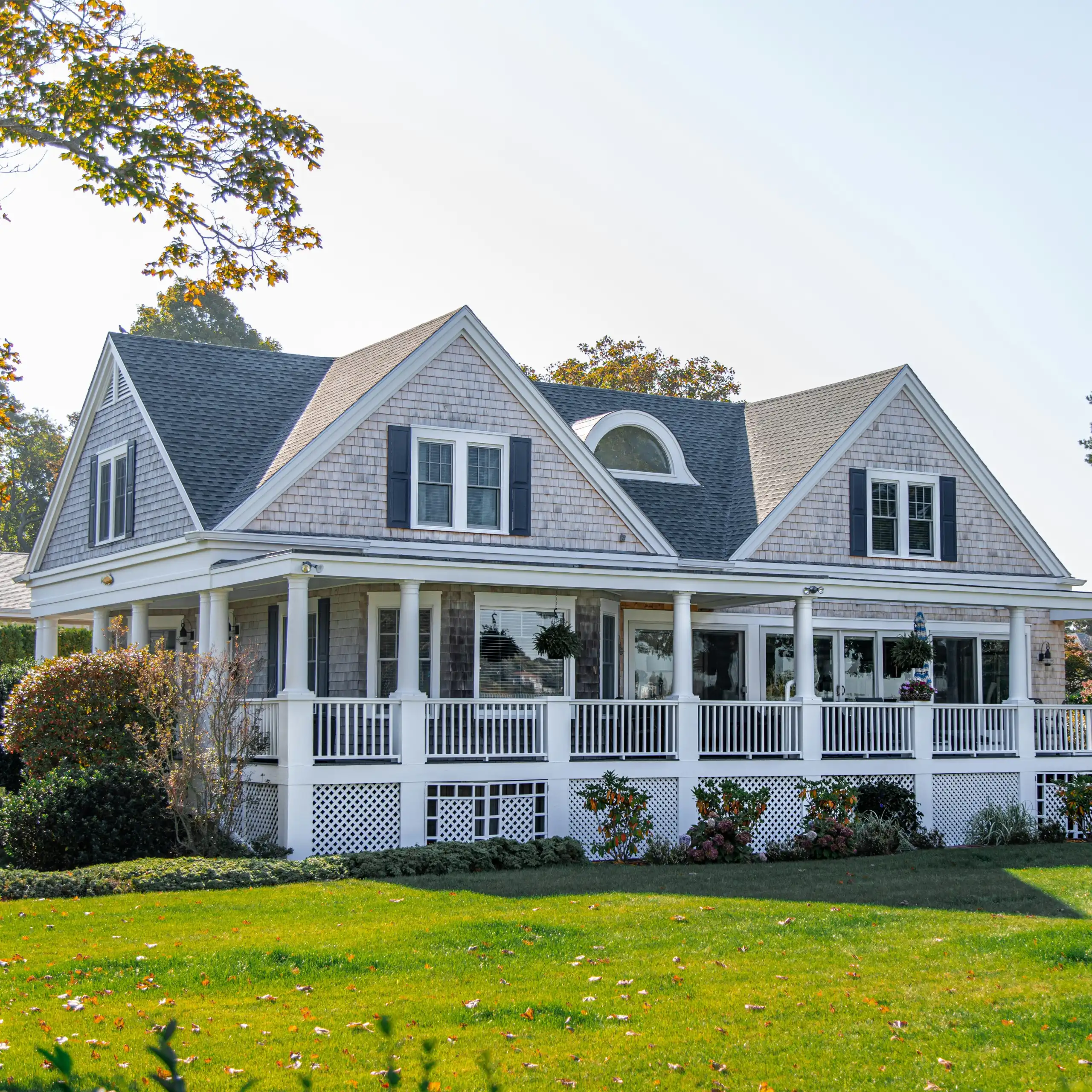
That might sound like the kind of line a broker puts on a billboard. But stay with us, because the case for buying a home right now — particularly in a market like Nashville — is more compelling than it’s been in years. Not because the market is easy, but because of exactly how complicated it feels.
The following perspective is inspired by Leonard Steinberg, Chief Evangelist at Compass, one of the most thoughtful voices in residential real estate. We’ve added our own Nashville lens to his reasoning — because national arguments only matter if they hold up locally, and in Middle Tennessee, they do.
10 Reasons Why 2026 Might Actually Be the Best Time To Buy a Home in Nashville
1. The Pause Is Your Advantage
Right now, there’s hesitation in the market. Buyers are nervous about rates. Sellers are uncertain about timing. That combination — while uncomfortable — is actually one of the best environments a buyer can enter.
Less competition means more time to evaluate your options carefully. Less desperation means better decisions. In Nashville specifically, where the frenzy of 2021 and 2022 left buyers waiving inspections and offering hundreds of thousands over asking, a market that gives you room to breathe is a meaningful shift. Use it.
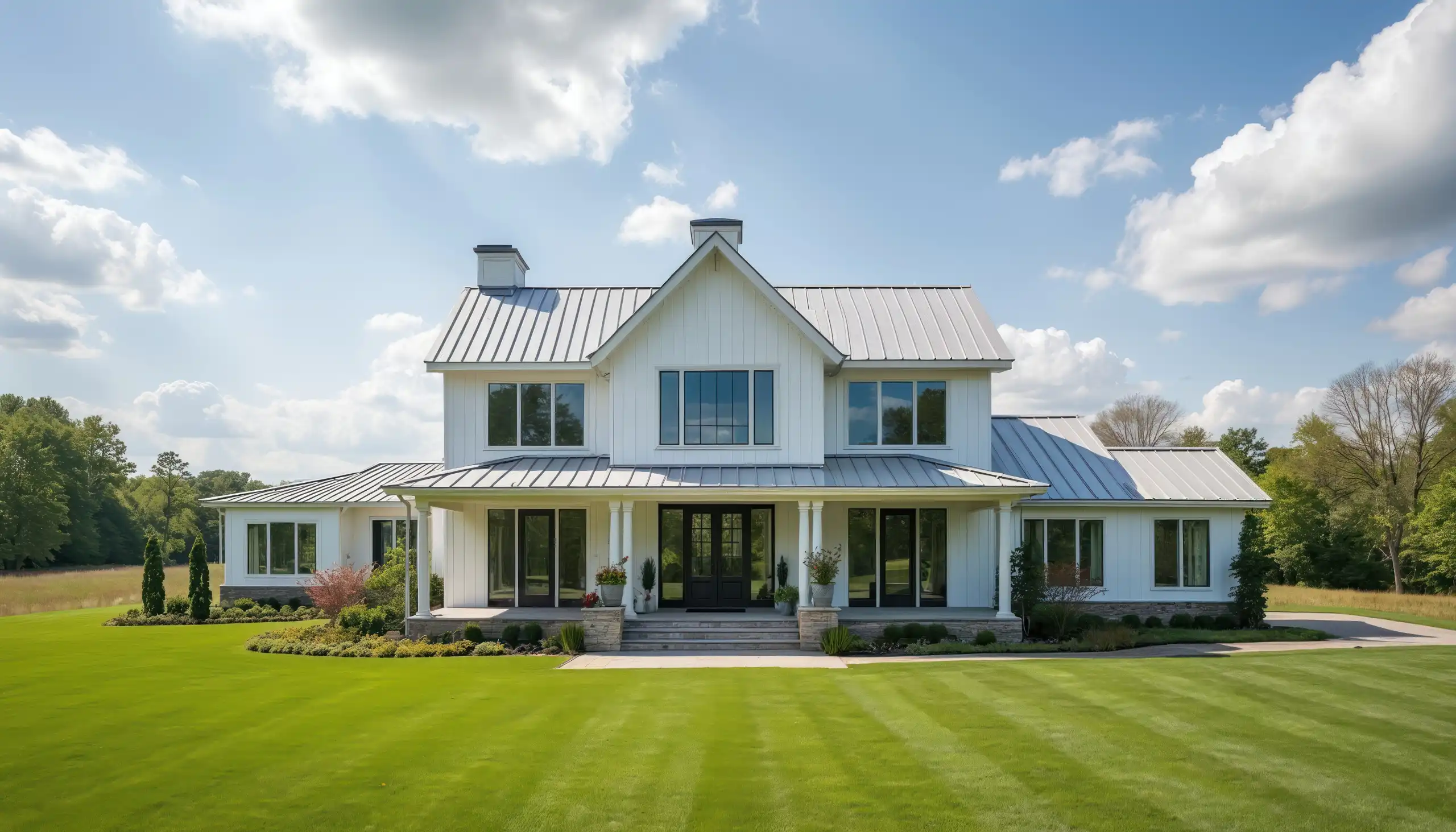
2. Price Adjustments Are Already Happening
Some Nashville sellers have adjusted their expectations. And here’s a number worth understanding: a home priced 5% lower than it was a year ago, financed at 6.5%, carries roughly the same monthly payment as the higher price financed at 6%. The rate environment feels painful, but adjusted prices are quietly offsetting some of that pressure for buyers who are paying attention.
3. Your Wages Are Likely Growing
U.S. wages grew approximately 3.3% to 3.8% in 2025. Nashville’s job market — anchored by healthcare (HCA, Vanderbilt), technology, finance, and a growing professional services sector — has consistently outpaced national wage growth. Over time, rising wages expand buying power. The home that feels like a stretch today may feel more manageable eighteen months from now — but the price may not be the same.

4. The Generational Wealth Transfer Is Underway
More than $100 trillion in generational wealth is in the process of transferring between generations over the coming decades. That capital doesn’t disappear — it moves. And a meaningful portion of it flows into real estate. In Nashville, where a significant share of buyers are relocating with family equity behind them, this isn’t an abstract concept. It’s an active force in the market right now.
5. Renting Is Not the Safe Choice People Think It Is
Consider this: a renter paying $4,000 per month is $240,000 out of pocket five years later — with zero equity to show for it. Homeowners in those same five years — even in a flat market — have been building equity with every mortgage payment while their asset has appreciated.
Nashville renters have felt this acutely.
The city’s rental rates have climbed significantly over the past five years, and there’s no structural reason to expect that to reverse. A home may not make you rich overnight, but it preserves wealth, provides shelter, and serves as one of the most reliable long-term hedges against inflation available to the average American. Some landlords and politicians benefit when renters stay renters — it’s worth understanding whose interests are being served when you hear arguments against buying.
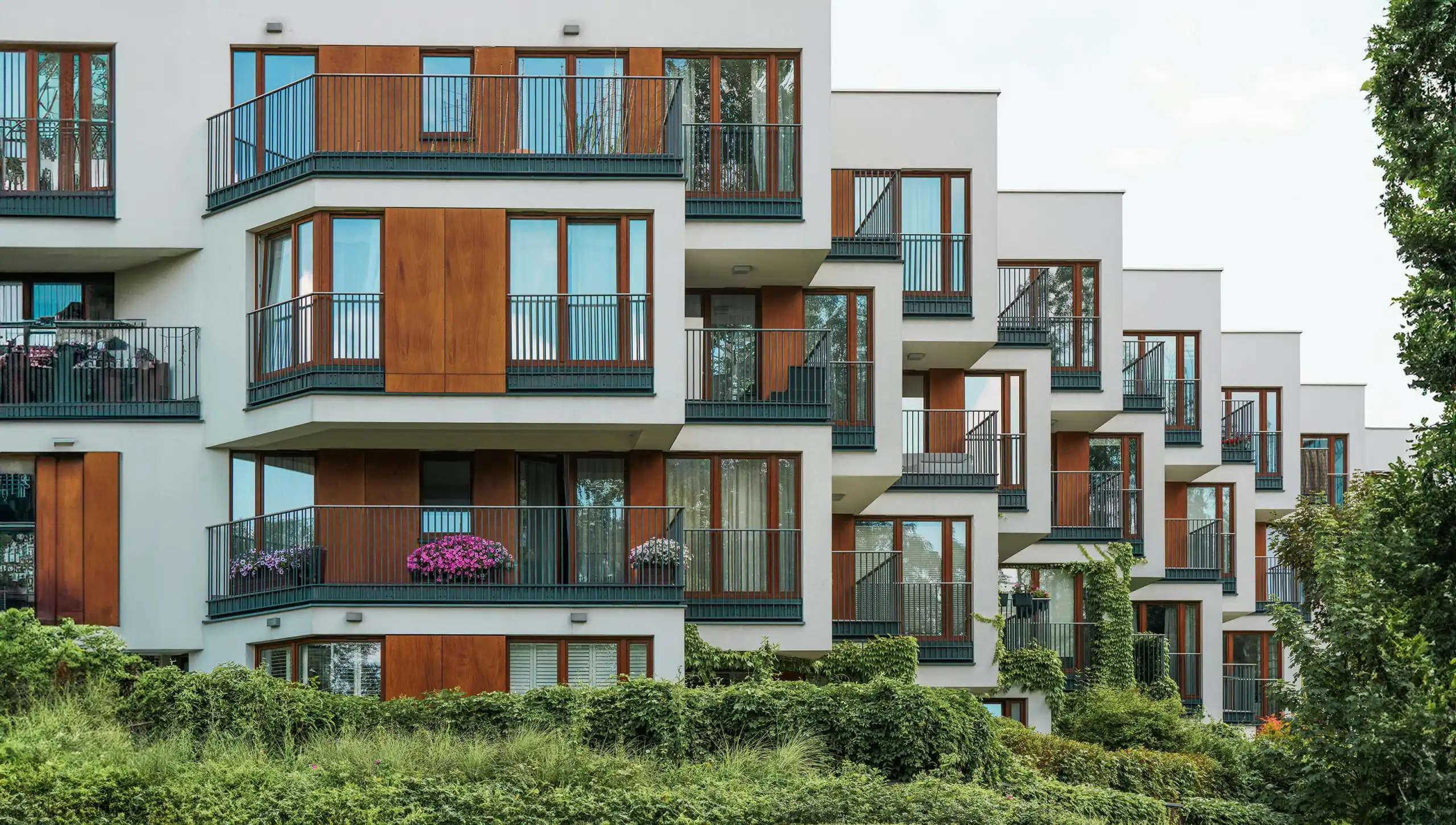
6. Inflation Makes Waiting Expensive
At just 2% annual inflation — compounded — that $4,000/month rent becomes $4,850/month in ten years and $7,250/month in thirty years. Run it at 3% and the numbers become harder to look at. Inflation also drives up the cost of construction materials and labor, meaning the home you could build or renovate today will cost meaningfully more a decade from now. Hard assets — real property — have historically ridden inflationary waves better than cash sitting on the sidelines.
7. When Confidence Returns, Competition Returns With It
The moment interest rates drop meaningfully — or when broader economic uncertainty clears — the buyers currently sitting on the sidelines will re-enter the market simultaneously. We saw this dynamic in Nashville repeatedly between 2020 and 2023: pent-up demand released into limited inventory creates fast, competitive conditions. Buyers who waited for certainty found themselves in bidding wars. The buyers who moved during the uncertain periods found the deals.

8. Inventory May Not Get Better — Expected to tighten
It’s tempting to wait for more options. But inventory in Nashville’s most desirable neighborhoods — West Meade, Wedgewood-Houston, Lockeland Springs, Green Hills, 12 South to name a few — has remained persistently lean. Many sellers have held off listing through the winter and through broader geopolitical uncertainty. When that hesitation lifts, buyer competition typically lifts with it. The window of relative calm in the market is an opportunity, not a warning sign.
9. Qualifying Now Is Easier Than Qualifying Later
If job security is part of your hesitation, consider this: qualifying for a mortgage while employed is always easier than qualifying without income. Shelter is a cost you will pay regardless — either to a bank building your equity or to a landlord building theirs. Locking in your qualification during a period of stable employment is a form of financial protection, not a risk.
10. A Recession Doesn’t End the Economy — Or Real Estate
Recession fears are louder right now than they’ve been in several years. But a recession slows economic growth — it doesn’t stop life. People still need shelter. Families still relocate for jobs. Nashville’s economic diversity — healthcare, higher education, technology, tourism, and a growing corporate presence — provides a more resilient foundation than markets dependent on a single industry. The jobs most at risk in a downturn are increasingly those most vulnerable to automation, not the professional workforce that makes up a significant portion of Nashville’s buyer pool.

What This Means for Nashville Homebuyers Right Now
Nashville is not immune to national market dynamics. But it has structural advantages that make the case for buying here particularly strong: consistent population growth, a diversified employment base, no state income tax, and a decade-long track record of appreciation even through market corrections.
The buyers we’re working with right now who are moving forward aren’t doing so naively. They’re doing so because they’ve run the numbers, thought through their timeline, and recognized that waiting for perfect conditions is its own form of risk.
The market rarely rings a bell at the bottom. The best time to buy, historically, has almost always felt like the wrong time to buy.
Frequently Asked Questions About Buying a Home in Nashville in 2026
Is it a good time to buy a home in Nashville TN in 2026?
Based on current market conditions — modest price adjustments in some corridors, reduced buyer competition relative to the 2021–2022 peak, and Nashville’s strong long-term fundamentals — 2026 presents a genuine window for buyers who are financially ready. The buyers most likely to regret 2026 are the ones who waited and watched competition return when rates eventually dropped.
Should I wait for interest rates to drop before buying in Nashville?
Waiting for rates to drop is a reasonable instinct, but it carries real risk. When rates fall, buyer demand typically surges — meaning the home you’re considering today may face multiple offers and a higher price tag tomorrow. Many buyers in Nashville have found success purchasing now and refinancing when rates improve, capturing today’s pricing without competing in tomorrow’s market.
Is renting smarter than buying in Nashville right now?
For most buyers with a five-plus year horizon, the math favors buying in Nashville. Rents have increased significantly over the past five years and show no structural signs of sustained decline.
A renter paying $3,500 to $4,000 per month in Nashville today is building zero equity — while a homeowner at a comparable monthly cost is paying down principal and participating in any future appreciation. The calculus is different for everyone, but the long-term case for ownership in a market like Nashville remains strong.
Ready to Stop Waiting and Start Looking?
The buyers who look back on 2026 as the year they should have bought won’t be the ones who moved — they’ll be the ones who didn’t.
Looking for a custom home that fits your lifestyle? Give us a call. We have access to a long list of off-market properties that you may not be seeing in your online search — and we’re ready to help you move forward with clarity, not urgency.
The content on this blog is intended for informational and educational purposes only and does not constitute financial, legal, or investment advice. Real estate markets are inherently unpredictable, and past performance is not indicative of future results. The opinions expressed here reflect the views of the author and are not guarantees of market outcomes.
All buyers’ financial situations are unique. Before making any real estate purchase decision, you should consult with qualified financial, legal, and real estate professionals who can evaluate your individual circumstances.
Market statistics, wage data, and economic projections referenced in this content are drawn from third-party sources believed to be reliable but are not independently verified. Information is subject to change without notice.
Social Cookies
Social Cookies are used to enable you to share pages and content you find interesting throughout the website through third-party social networking or other websites (including, potentially for advertising purposes related to social networking).